ॐ
Bhagavad Gīta
Chapter 7 · Verses 11 – 20
Jñāna Vijñāna Yoga
Knowledge of the Absolute — How to See Krishna Everywhere
Setting the Stage
Where We Are
- Chapter 7 = Jñāna Vijñāna Yoga — knowledge and its realization
- Verses 1-10: Krishna reveals He is the source of everything — taste in water, light of sun and moon, sound in ether, fragrance of the earth
- Verses 11-20: Who sees Him, and who does not?
Our Journey (11 → 20)
- Krishna in righteous strength & desire
- Modes of nature come from Him
- The world is deluded
- Surrender crosses māyā
- Four kinds who don't surrender
- Four kinds who do surrender
- The wise devotee is dearest
- Vāsudevaḥ sarvam iti
- Why some worship demigods
"Now hear from Me how, by practicing yoga in full consciousness of Me,
you can know Me in full, free from doubt." — BG 7.1
बलं बलवतां चाहं कामरागविवर्जितम् ।
धर्माविरुद्धो भूतेषु कामोऽस्मि भरतर्षभ ॥ ११ ॥
balaṁ balavatāṁ cāhaṁ kāma-rāga-vivarjitam
dharmāviruddho bhūteṣu kāmo 'smi bharatarṣabha
"I am the strength of the strong, devoid of passion and desire.
I am sex life which is not contrary to religious principles, O lord of the Bhāratas."
💡 Key Insight
- Bala — strength must serve protection, not aggression
- Strength without lust or greed is divine
- Even kāma (desire) is godly when aligned with dharma — e.g., procreating God-conscious children
- Krishna is present in every pure, principled expression of life-force
🎯 Takeaway
Your strength, ambition, even your desires — they are Krishna when guided by dharma. Don't suppress them, consecrate them.
"Fight, but as a warrior, not as an animal." — the Gītā's ethic
ये चैव सात्त्विका भावा राजसास्तामसाश्च ये ।
मत्त एवेति तान्विद्धि न त्वहं तेषु ते मयि ॥ १२ ॥
ye caiva sāttvikā bhāvā rājasās tāmasāś ca ye
matta eveti tān viddhi na tv ahaṁ teṣu te mayi
"All states of being — of goodness, passion or ignorance — are manifested by My energy. In one sense I am everything, yet I am independent. I am not under the modes — they are within Me."
Sattva
Goodness · Light · Wisdom
Rajas
Passion · Action · Desire
Tamas
Ignorance · Inertia · Darkness
🔑 Prabhupāda's Analogy: "Under state laws one may be punished, but the king — the lawmaker — is not subject to that law." Krishna emanates the modes but is untouched by them. This is nirguna — beyond the three qualities.
👉 Next slide: see this truth in a single picture — the Viśvarūpa.
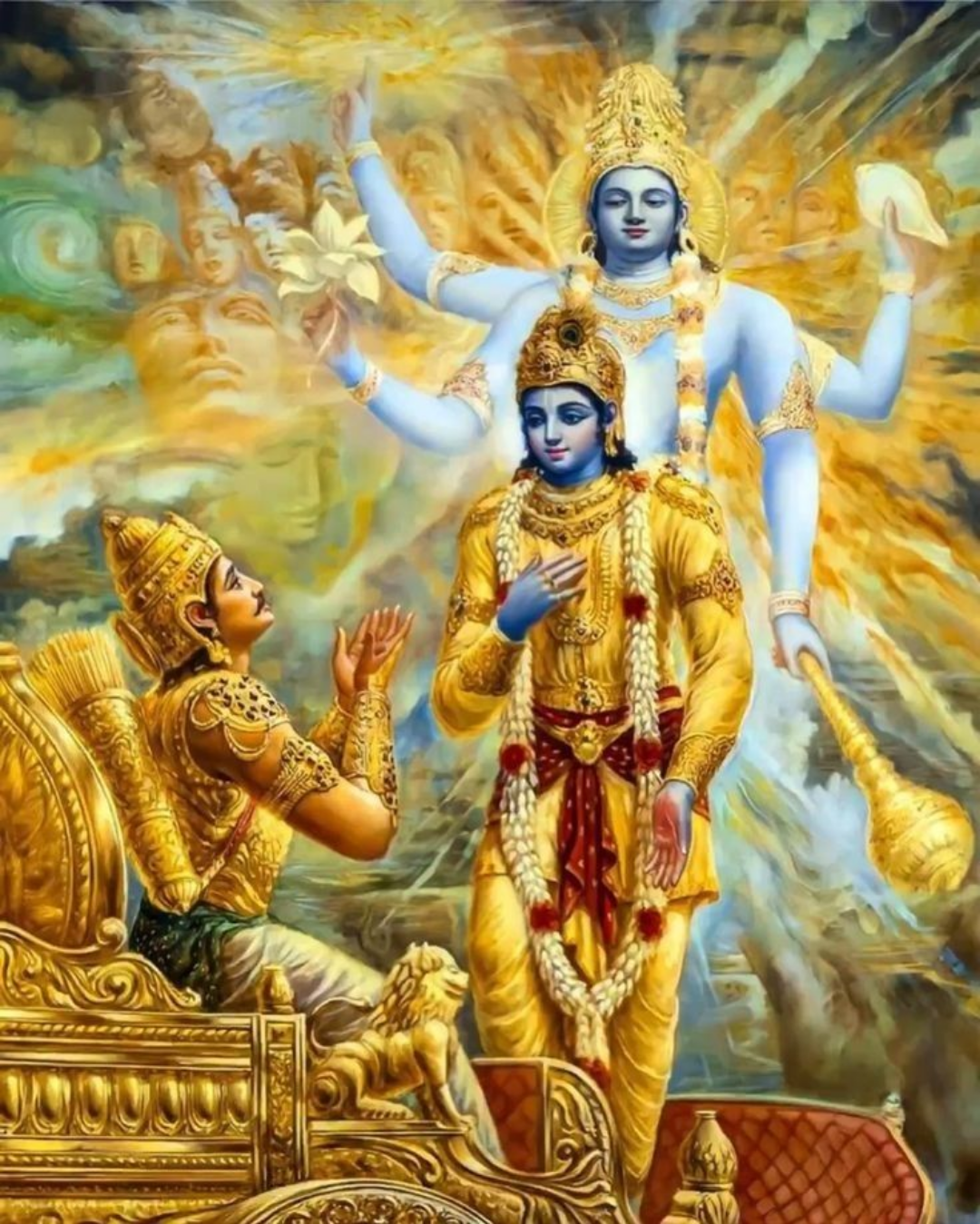
Krishna reveals the Viśvarūpa — the Universal Form — to Arjuna
ISKCON devotional art
This is the Viśvarūpa — the Cosmic Universal Form of the Lord. The same form Krishna revealed to Arjuna in Bhagavad Gīta Chapter 11. It is a picture of what Verse 7.12 just told us.
👁️ What you see
- Countless heads stacked in rows — red, blue, white, gold. Every being, every consciousness, every mode of nature lives within Him.
- Innumerable arms fanning outward, holding weapons and symbols — infinite power acting everywhere at once.
- Many feet at the base — He walks in all directions, sustains every world.
- Two tiny devotees at His feet, hands folded — the correct human posture: awe and surrender.
- Blazing red aura — the burning splendor of divine energy that Arjuna could barely bear to look at.
🔑 Why it fits Verse 7.12
Every colour, every face, every weapon — all three guṇas — is inside Him. Yet He stands serene at the center. The universe spins; He does not.
"They are in Me — I am not in them." — BG 7.12
त्रिभिर्गुणमयैर्भावैरेभिः सर्वमिदं जगत् ।
मोहितं नाभिजानाति मामेभ्यः परमव्ययम् ॥ १३ ॥
tribhir guṇa-mayair bhāvair ebhiḥ sarvam idaṁ jagat
mohitaṁ nābhijānāti mām ebhyaḥ param avyayam
"Deluded by the three modes of material nature, the whole world does not know Me,
who am above the modes and inexhaustible."
🌊 What Happens
- The three guṇas weave a veil across our perception
- We identify with body, caste, nation, religion — instead of with the soul
- Even those in sattva stop short — they see impersonal Brahman but miss Krishna's personal form
- Krishna is avyaya — inexhaustible, undiminishing — while the modes are ever-changing
🪞 Modern Mirror
Every "-ism" we identify with — nationalism, careerism, materialism, even scholarly rationalism — is a shade of the three guṇas. They colour our vision so completely that the Colourer Himself is invisible.
"The material atmosphere is so strong that our spiritual identity is covered." — Śrīla Prabhupāda
दैवी ह्येषा गुणमयी मम माया दुरत्यया ।
मामेव ये प्रपद्यन्ते मायामेतां तरन्ति ते ॥ १४ ॥
daivī hy eṣā guṇa-mayī mama māyā duratyayā
mām eva ye prapadyante māyām etāṁ taranti te
"This divine energy of Mine, consisting of the three modes of material nature, is difficult to overcome.
But those who have surrendered unto Me can easily cross beyond it."
🔑 The Master Key of the Chapter
Māyā is duratyayā — insurmountable. No amount of intelligence, austerity, philosophy or willpower can lift you out. But the moment you say "Krishna, I am Yours" — the same māyā that binds becomes a passage.
🪢 The Rope Analogy: A person tied by ropes cannot untie himself; only someone outside the ropes can. Brahmā and Śiva are great — but they too are within māyā. Only Krishna is māyā's master — so only surrender to Him liberates.
👉 Next slide: a "Lessons From Gīta" video reference with the confidential secret of seeing Krishna everywhere.
📌 Key Points From This Talk
- Krishna is not hidden. He reveals Himself in taste, light, sound, fragrance, strength, intelligence (7.8–11). The problem is not His absence — it is our vision.
- The three guṇas are a filter that colour our sight. We see through them, not past them. That is why even scholars and saintly people miss Him (7.13).
- Māyā is duratyayā — no self-effort can lift it. Only Krishna, its master, can — and He does so only for those who surrender (7.14).
- The "Confidential Secret": Seeing Krishna everywhere is not achieved by philosophy or by looking harder. It is given — when the heart bows.
- Practical daily practice: Connect every experience — a meal, a breeze, a song, a sunrise — back to Krishna as its source. Say "Krishna, this is from You." Vision follows the mood.
- The direct benefit: Once you begin seeing Him even in small things, the sense of separation dissolves — Krishna is no longer a distant God, but the intimate presence in every breath.
💛 "He is not hiding — you are seeing through the wrong lens. Surrender changes the lens."
न मां दुष्कृतिनो मूढाः प्रपद्यन्ते नराधमाः ।
माययापहृतज्ञाना आसुरं भावमाश्रिताः ॥ १५ ॥
na māṁ duṣkṛtino mūḍhāḥ prapadyante narādhamāḥ
māyayāpahṛta-jñānā āsuraṁ bhāvam āśritāḥ
1
Mūḍha
Grossly Foolish
Work like animals for eating, sleeping, mating & defending. Life's higher purpose never enters the mind.
2
Narādhama
Lowest of Humankind
Given human intelligence but refuse to use it for God-consciousness. They squander a rare gift.
3
Māyayāpahṛta-jñāna
Those Whose Knowledge Is Stolen
Great scholars, scientists, philosophers — but māyā has snatched their real understanding. They deny Krishna.
4
Āsura-bhāva
The Demoniac
Actively hostile to God — inventing arguments against Him, mocking devotion, thinking themselves supreme.
🎯 The common thread: they all refuse to surrender. Intelligence without humility becomes the very rope that ties tightest. Their sin is not weakness — it is willful blindness.
🧠 What Unites All Four
- Duṣkṛtinaḥ — "those who act wrongly" — the umbrella term Krishna uses for all four types.
- Each type has different intelligence, background, and behaviour — but all share one refusal: to bow.
- The problem is not lack of ability — it is misuse of ability against one's own eternal welfare.
- Even Rāvaṇa, Kaṁsa, Hiraṇyakaśipu were highly intelligent, learned, austere — yet fell in this category.
🕯️ The Hopeful Note
- Krishna does not say these people are eternally lost — only that they will not surrender as long as they hold these mindsets.
- Even Ajāmila, Vālmīki, and Sadāputa began in this category and were transformed.
- A single moment of sincere humility can flip a person from 7.15 into 7.16.
- Warning & invitation: the verse is a mirror. Check where you stand — and if you find yourself here, the next verse offers the escape.
चतुर्विधा भजन्ते मां जनाः सुकृतिनोऽर्जुन ।
आर्तो जिज्ञासुरर्थार्थी ज्ञानी च भरतर्षभ ॥ १६ ॥
catur-vidhā bhajante māṁ janāḥ sukṛtino 'rjuna
ārto jijñāsur arthārthī jñānī ca bharatarṣabha
"Four kinds of pious men begin to render devotional service unto Me — the distressed, the desirer of wealth, the inquisitive, and he who is searching for knowledge of the Absolute."
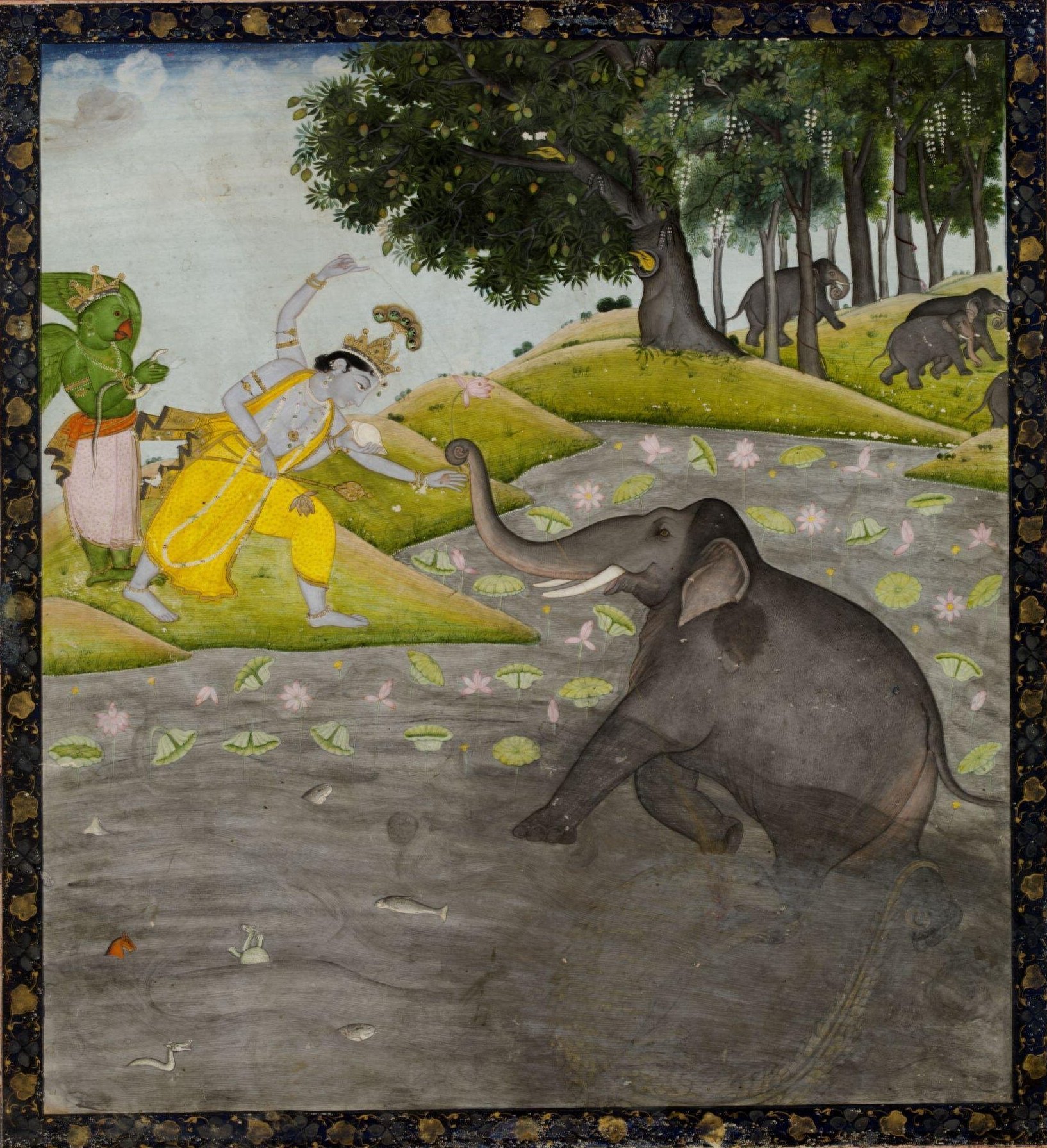
Ārta
The Distressed
Gajendra — the elephant king seized by the crocodile, cried "Ādi-puruṣa!" and Viṣṇu came flying.
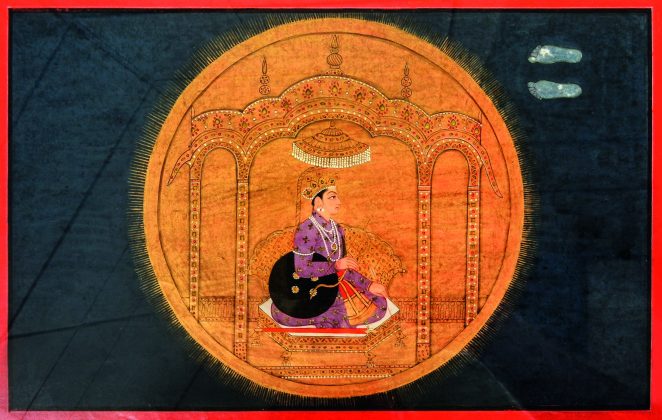
Arthārthī
Seeker of Wealth
Dhruva — a 5-year-old prince who went to the forest for a kingdom, and received God Himself.
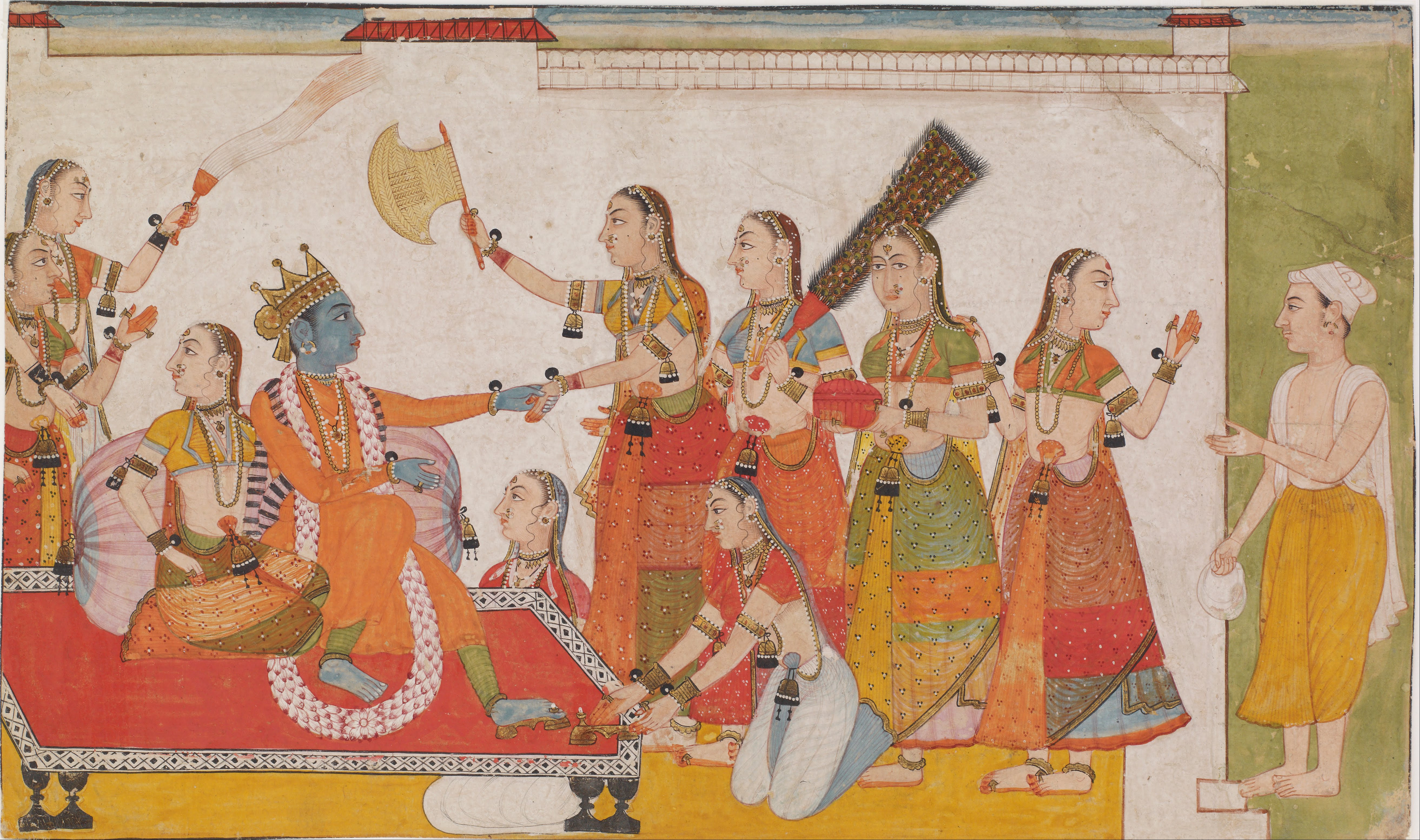
Jijñāsu
The Inquisitive
Sanātana Gosvāmī approaching Śrī Caitanya asking, "Who am I? Why do I suffer?"
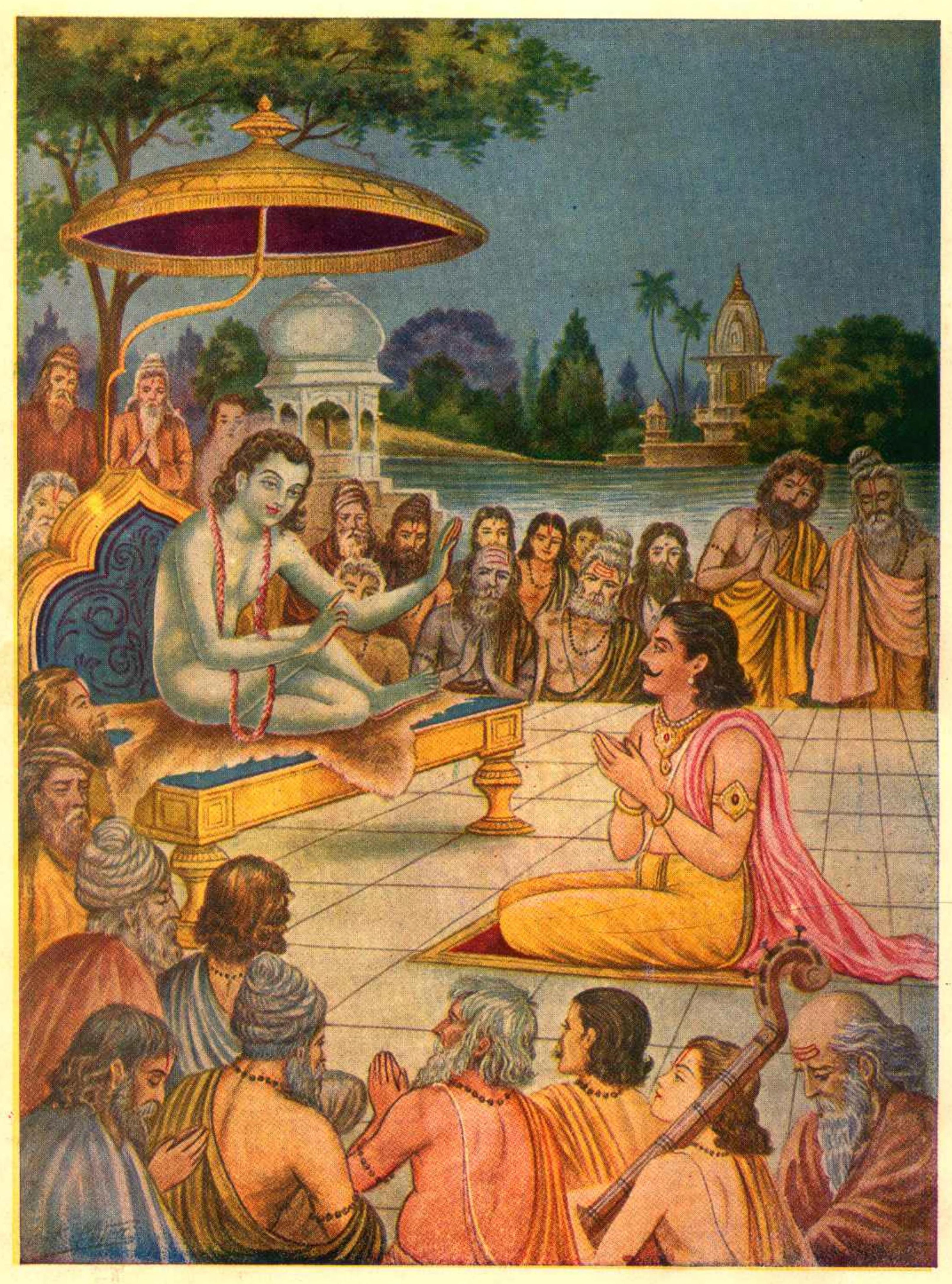
Jñānī
The Wise / Knower
Śukadeva reciting the Bhāgavatam to Parīkṣit — spontaneous, motiveless devotion.
👉 Next slide: a video reference on this verse with 6 key takeaways.
📌 Key Points From This Talk
- Krishna is inclusive. Verse 7.15 rejects four. Verse 7.16 embraces four. The door is wider than the wall — anyone who turns toward Krishna is welcomed.
- All four are sukṛtinaḥ. Even those approaching Krishna with material motives are "pious." Their past good deeds have led them to the right Person — that itself is auspicious.
- Motive matters less than direction. Krishna does not first ask "why are you coming?" — He is delighted that you came. The arthārthī (wealth-seeker) and the jñānī (wise) both walk through the same door.
- Material desire is a starting point, not a stopping point. By contact with Krishna and pure devotees, motives naturally purify — the arthārthī becomes an ārta, then a jijñāsu, then a jñānī.
- Never worship demigods for material gain (contrast with 7.20). Even for material needs, go to Krishna — because approaching Him purifies while approaching lesser deities does not.
- Practical resolution: Whatever brings you to your knees today — pain, ambition, curiosity, or wisdom — bring it to Him. The mood will evolve; only make sure the address is right.
💛 "Krishna welcomes you no matter why you come — just come."
7.17
तेषां ज्ञानी नित्ययुक्त एकभक्तिर्विशिष्यते ।
प्रियो हि ज्ञानिनोऽत्यर्थमहं स च मम प्रियः ॥
"Of these, the one in full knowledge, always engaged in pure devotional service, is the best. I am very dear to him, and he is dear to Me."
7.18
उदाराः सर्व एवैते ज्ञानी त्वात्मैव मे मतम् ।
आस्थितः स हि युक्तात्मा मामेवानुत्तमां गतिम् ॥
"All these are magnanimous souls, but he who is situated in knowledge of Me I consider verily to dwell in Me — he attains the supreme destination."
💛 The Reciprocal Heart
All four types are udārāḥ — magnanimous. Krishna rejects none. But the jñānī-bhakta — the one with no motive but love — is ātmā eva me, "My very self."
Nitya-yukta = always engaged. Eka-bhakti = exclusive devotion. This is 24-hour Krishna consciousness — not part-time worship.
💡 The Family vs. Client Analogy: A businessman visits a friend for a favor; a family member visits simply from love. Krishna welcomes both — but only the latter enters His heart.
7.19
बहूनां जन्मनामन्ते ज्ञानवान्मां प्रपद्यते ।
वासुदेवः सर्वमिति स महात्मा सुदुर्लभः ॥
"After many births, the truly wise surrenders unto Me, knowing Vāsudeva to be all that is. Such a great soul is very rare."
💎 The pinnacle realization — everything, everywhere, always: Krishna. Cause, means, purpose, shelter. Not "all is one" (impersonal) but "all belongs to the One Supreme Person."
7.20
कामैस्तैस्तैर्हृतज्ञानाः प्रपद्यन्तेऽन्यदेवताः ।
तं तं नियममास्थाय प्रकृत्या नियताः स्वया ॥
"Those whose intelligence is stolen by material desires surrender unto demigods, following the rules of worship according to their own nature."
🍂 Hṛta-jñāna — knowledge stolen. The exact opposite of 7.19's jñāna-vān. Same word — prapadyante, "surrender" — but to a lower object, yielding lower fruit.
🌳 The Root of the Tree: Water the root — every branch, leaf, and fruit is nourished. Water the leaves — everything withers. Worship Krishna, and every demigod, every duty, every desire is naturally satisfied.
7.11–14
Krishna is in everything & above everything — surrender is the bridge
7.16–19
Four approach Him — the wisest becomes His very self
7.20
Others get lost chasing petty gifts
👉 Next slide: Śrīla Prabhupāda himself on this crown-jewel verse — "Vāsudevaḥ sarvam iti".
📌 Prabhupāda's Key Emphases
- Bahūnāṁ janmanām ante — "after many births." Real knowledge is not the fruit of a single lifetime. Surrender comes when the soul has exhausted every other option.
- The wise (jñānavān) do not stop at Brahman. They realize the person — Krishna — who is behind Brahman and Paramātmā. That is the completion of jñāna.
- Vāsudevaḥ sarvam — Krishna is not just in everything, He is everything. Cause, energy, form, purpose — all Vāsudeva. This is not impersonal oneness — it is personal supremacy.
- Such a soul is sudurlabhaḥ — extremely rare. Even among liberated beings, an unalloyed devotee of Krishna is a jewel of jewels.
- The devotee's mood: "I am Krishna's, Krishna is mine, everything belongs to Krishna." This one thought, held constantly, is mahātmā consciousness.
- Prabhupāda's warning to the impersonalist: Merger is not the goal. Loving service to the Person is the goal. Only bhakti completes jñāna.
💛 "Vāsudeva is everything — so surrender to Vāsudeva, and everything is yours."
ॐ
वासुदेवः सर्वम् इति
Vāsudevaḥ Sarvam Iti
Krishna is everything.
See Him, love Him, become His.
Hare Kṛṣṇa · Hare Kṛṣṇa · Kṛṣṇa Kṛṣṇa · Hare Hare
Hare Rāma · Hare Rāma · Rāma Rāma · Hare Hare
🙏 Hari Bol 🙏